
In 2026 > Pauline CORDIER
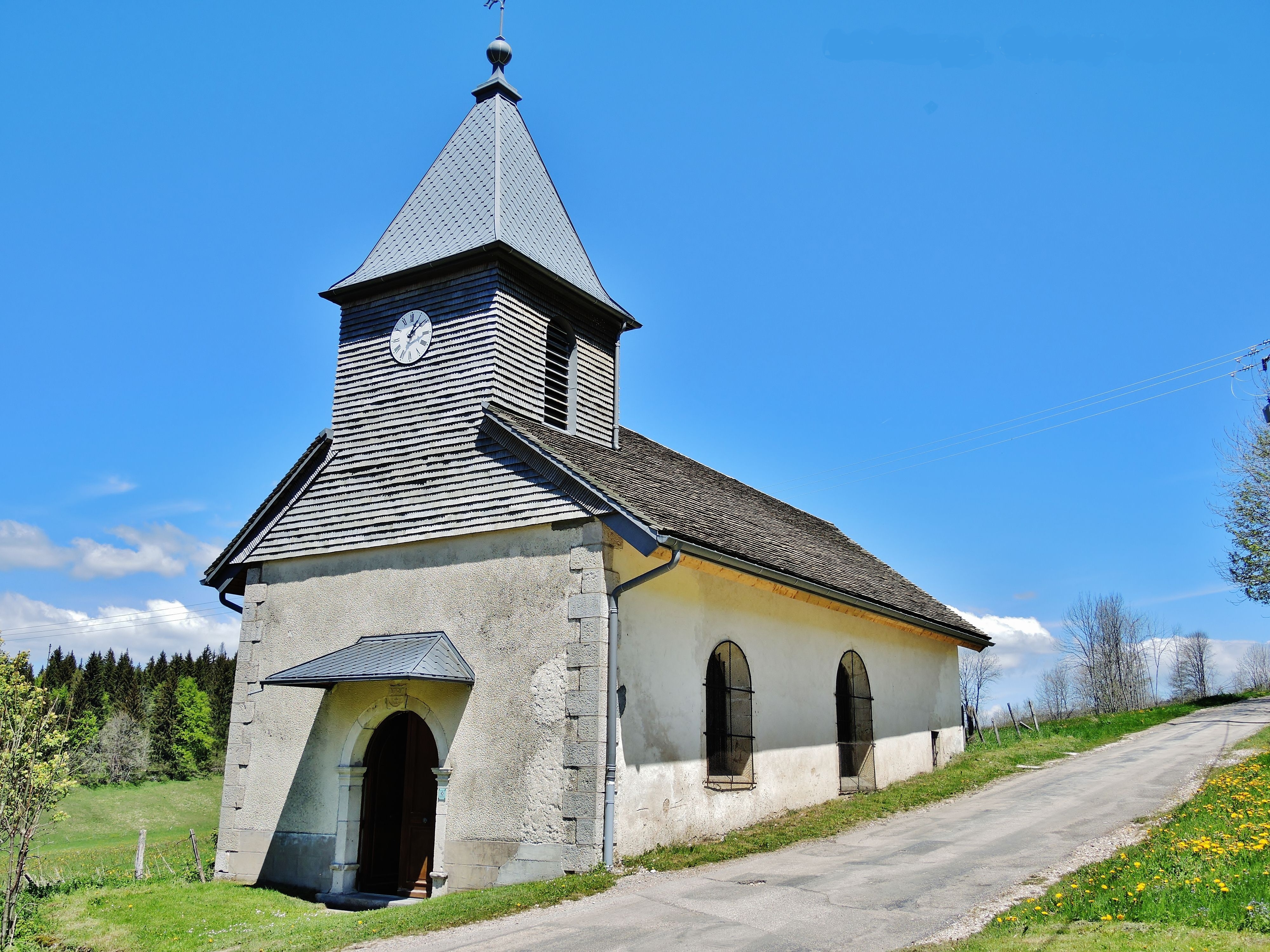
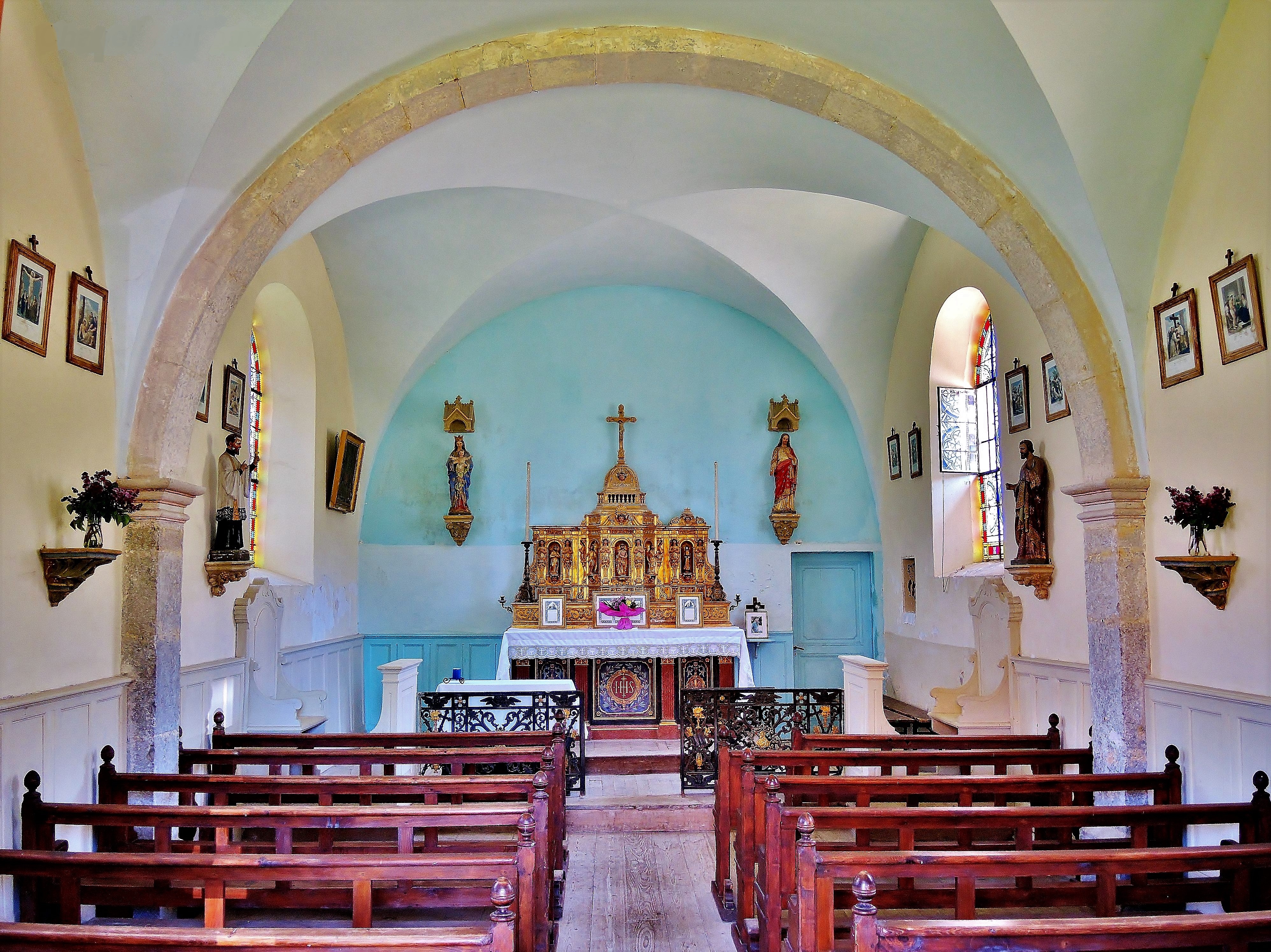
The chapel of Chapelle-Mijoux was built in 1705. It is dedicated to Saint Claude, Archbishop of Besançon, born in Salins (Jura) around 607 and who died in 699 at the monastery of Condat (now the Abbey of Saint-Claude in the Jura). The patron saint of Franche-Comté, he is invoked for the healing of the infirm and the crippled. The hamlet was then called « Les Gagelin, » hence the name « the Gagelin Chapel » originally given to this chapel. It was founded and endowed by Claude Belot de Villette, a canon of the metropolitan church, who owned an estate in the hamlet. The inhabitants provided the materials, and Sir Belot de Villette paid for the labor. For the chapel’s decoration, Canon Belot donated several works, including five paintings bearing his coat of arms. The sanctuary had a resident chaplain until 1820. It is a small building, consisting of a single nave with two bays separated by pilasters and covered by a ribbed vault. The chancel is integrated into the second bay and delimited by a chancel screen (communion barrier). Stained-glass windows with semicircular arches illuminate each bay. The whole is covered by a gabled roof surmounted, above the entrance, by a small square bell tower. A canopy protects the entrance, which is topped by a semicircular stone arch. A 300-pound bell had been cast and placed in the bell tower, but it broke in 1744 and was replaced by a new 400-pound bell. The most interesting feature is the gilded and carved wooden tabernacle, in a very Italianate style (18th century), adorned with statuettes, cherub heads, and small caryatids. It was donated by Claude Gagelin, a member of the Duke of Randan’s honor guard. During the fire of August 31, 1736, which destroyed a large part of Pontarlier, the three young children of Étienne Richard, a cavalryman in the constabulary, perished in their attic where they had taken refuge. He commissioned a votive painting bearing the inscription: « August 31, 1736. At the sight of today’s spectacle, we shed tears of blood, we live without being able to die, pierced by three sharp sorrows. » This painting is still preserved in the chapel.
GPS : 46,739577 / 6,230343